Brick & Concrete Restoration
Brick & Concrete Restoration · Greater Vancouver
Repair the damage. Preserve the building.
Repair and restoration for worn brickwork, cracked concrete and weather-exposed building surfaces across commercial, strata and multi-family properties.
 Greater Vancouver, BC
Start With the Surface
The right repair begins with understanding what has failed, where moisture is moving and how the surrounding material is performing.
Surface damage is visible. The condition behind it needs careful attention.
Brick & Concrete Repair
Different failures require different repair methods.
The scope is built around the condition of the surface, the cause of deterioration and the protection required after repairs are complete.
Concrete crack repair
Preparation and repair of visible non-structural cracks to restore surface continuity and help limit moisture entry.
Spalling & patch repair
Removal of loose or unsound concrete followed by preparation, rebuilding and finishing of the damaged area.
Brick & mortar restoration
Localized repair of deteriorated brickwork and mortar joints where weathering, movement or moisture has caused visible damage.
Rebar treatment
Accessing exposed reinforcement, removing corrosion and rebuilding the surrounding concrete repair area.
Joint & sealant renewal
Removal and replacement of failed sealant at concrete joints, masonry transitions and vulnerable connection points.
Protective surface finishes
Compatible coating or protection systems applied where required to reduce future weather and moisture exposure.
How We Plan the Work
A clear path from site review to final inspection.
Repair work is organized around sound preparation, compatible materials and practical access for the property.
Site review
We review visible deterioration, surrounding surfaces, access and areas that may require closer investigation.
Repair scope
Repair locations, preparation requirements, materials and the proposed sequence of work are defined.
Removal & preparation
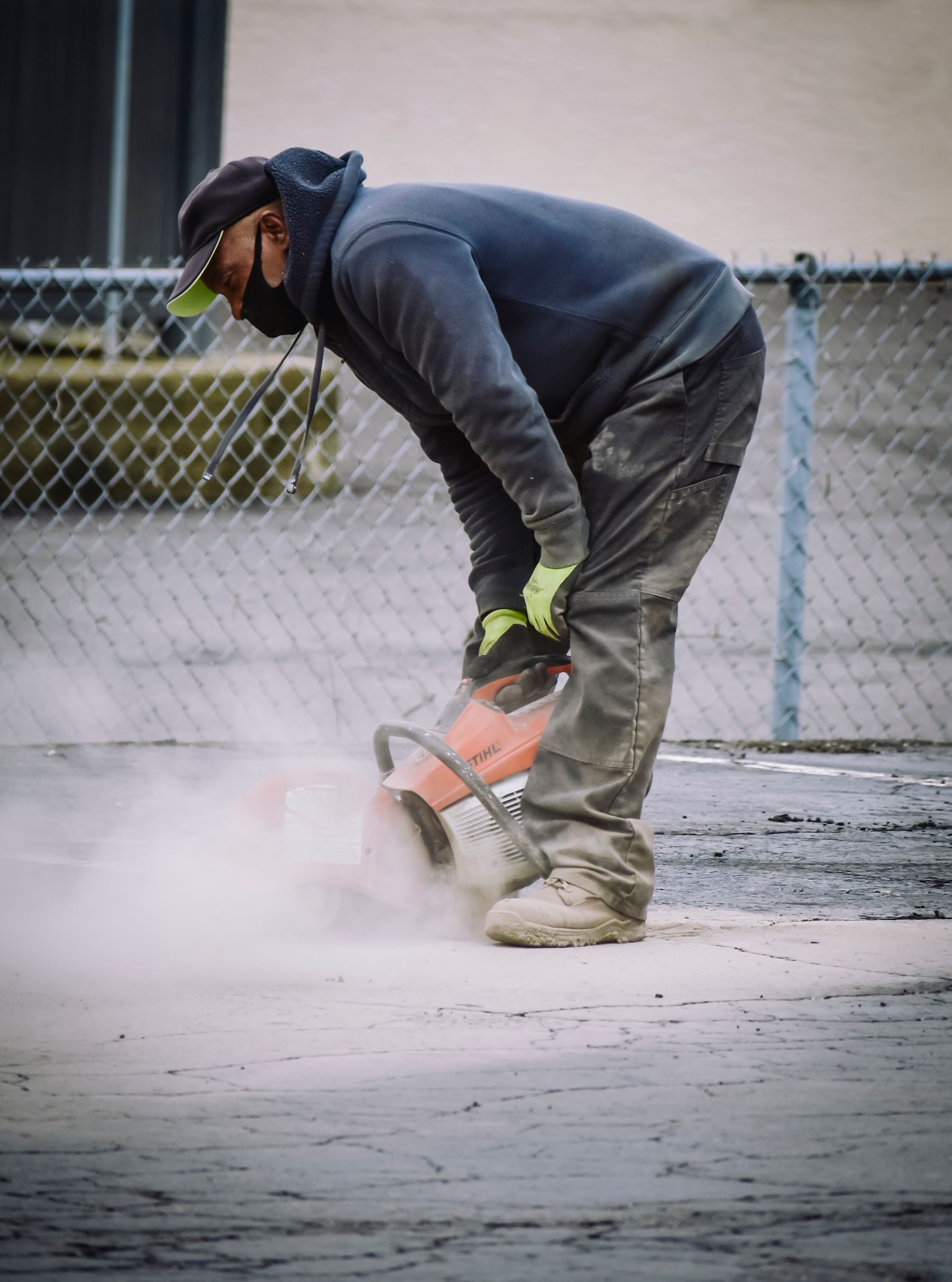
Loose concrete, failed mortar, old sealant and other unsound material are removed before rebuilding begins.
Repair & finishing
Selected materials are installed and finished to restore damaged areas and create clean transitions.
Protection & review
Where included in the scope, protective finishes are applied and completed work is reviewed before handover.
Conditions We Address
Small signs can point to a larger surface problem.
Early review helps define where deterioration is active and what should be included in the repair scope.
- Open concrete cracks
- Flaking or spalled concrete
- Exposed reinforcement
- Corrosion staining
- Loose or failed mortar
- Cracked or damaged brick
- Failed sealant joints
- Water-related surface damage
Built Around Your Property
Repair work planned for active buildings.
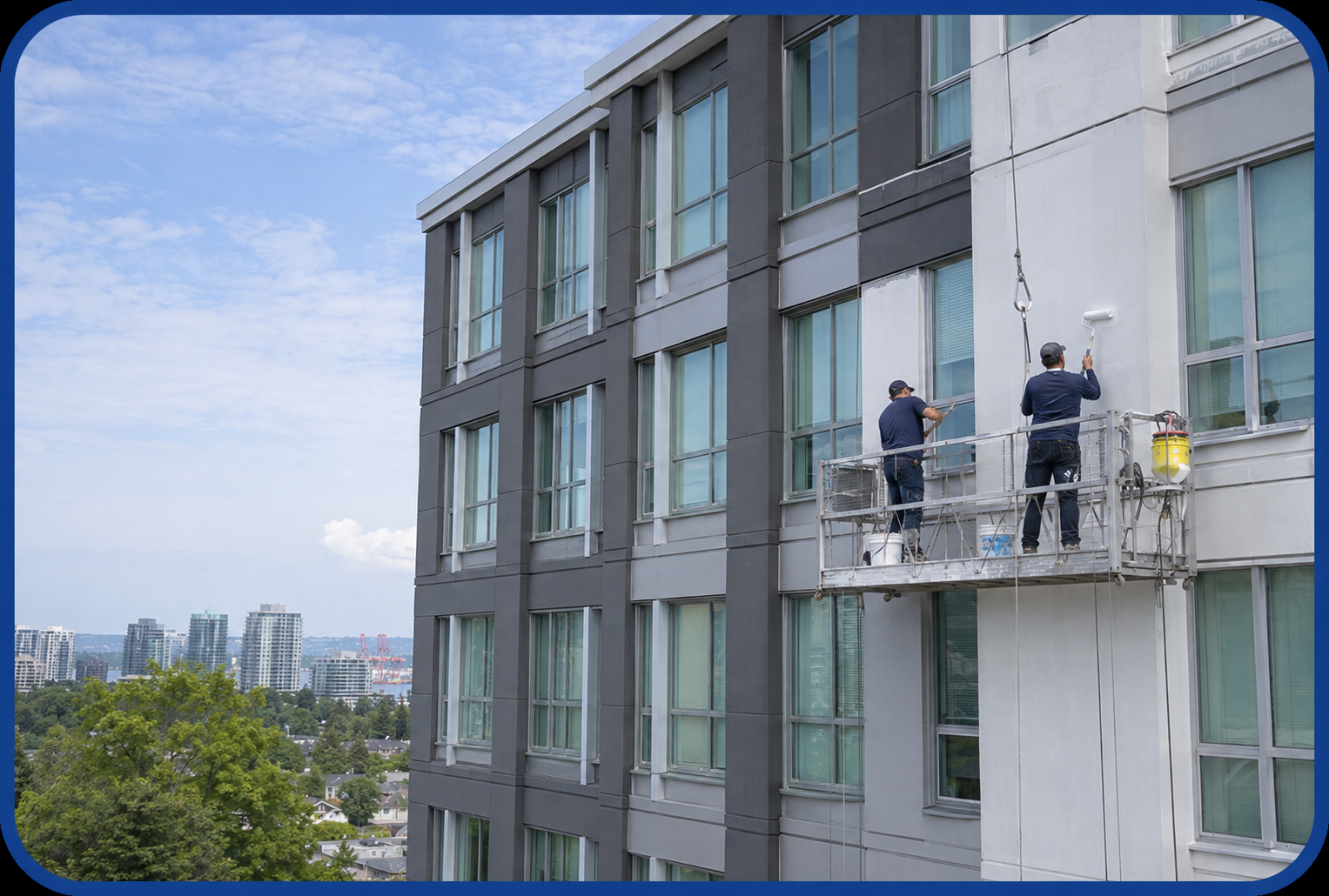
Restoration often takes place around residents, tenants, vehicles and active entrances. Work areas and access are coordinated so the site stays organized throughout the repair.
- Phased work areas and practical site protection
- Access planning for occupied properties
- Communication around active repair areas
- Daily cleanup and professional site conduct

Service Area
Brick and concrete restoration across Greater Vancouver.
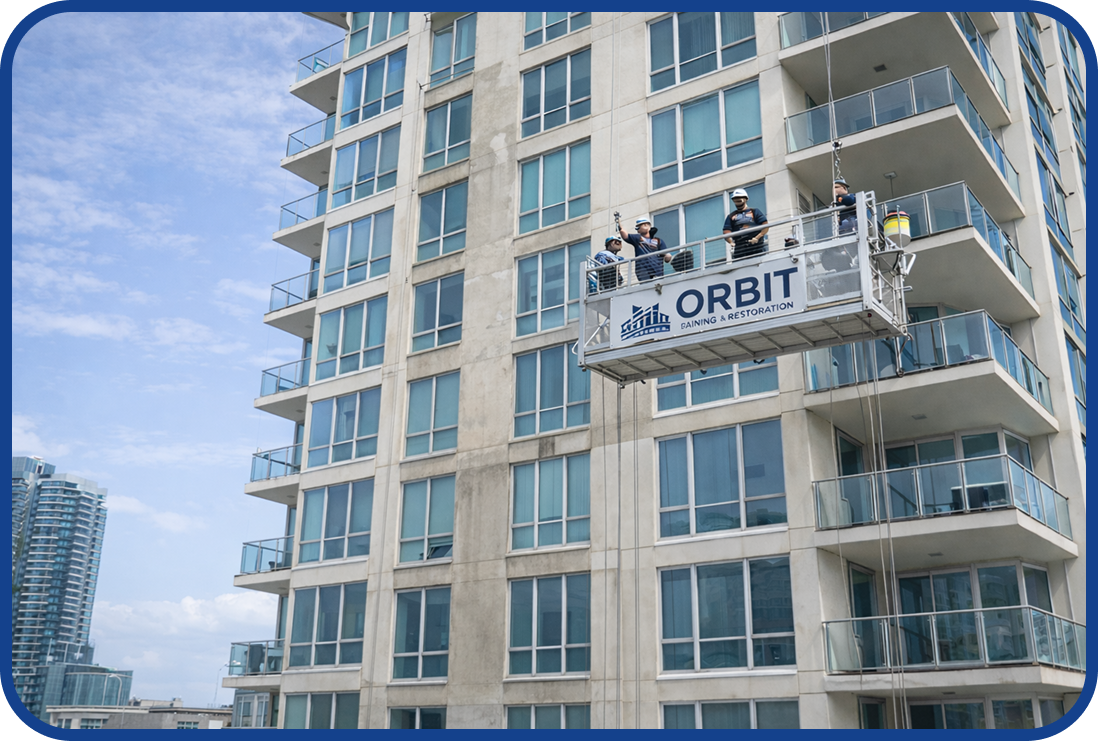
Orbit supports commercial, strata and multi-family properties throughout the Lower Mainland.
- Vancouver
- Burnaby
- Richmond
- Surrey
- Coquitlam
- New Westminster
- North Vancouver
- West Vancouver
- Langley
- Delta

Need an Estimate?
We respond within 24 hours — no obligation.